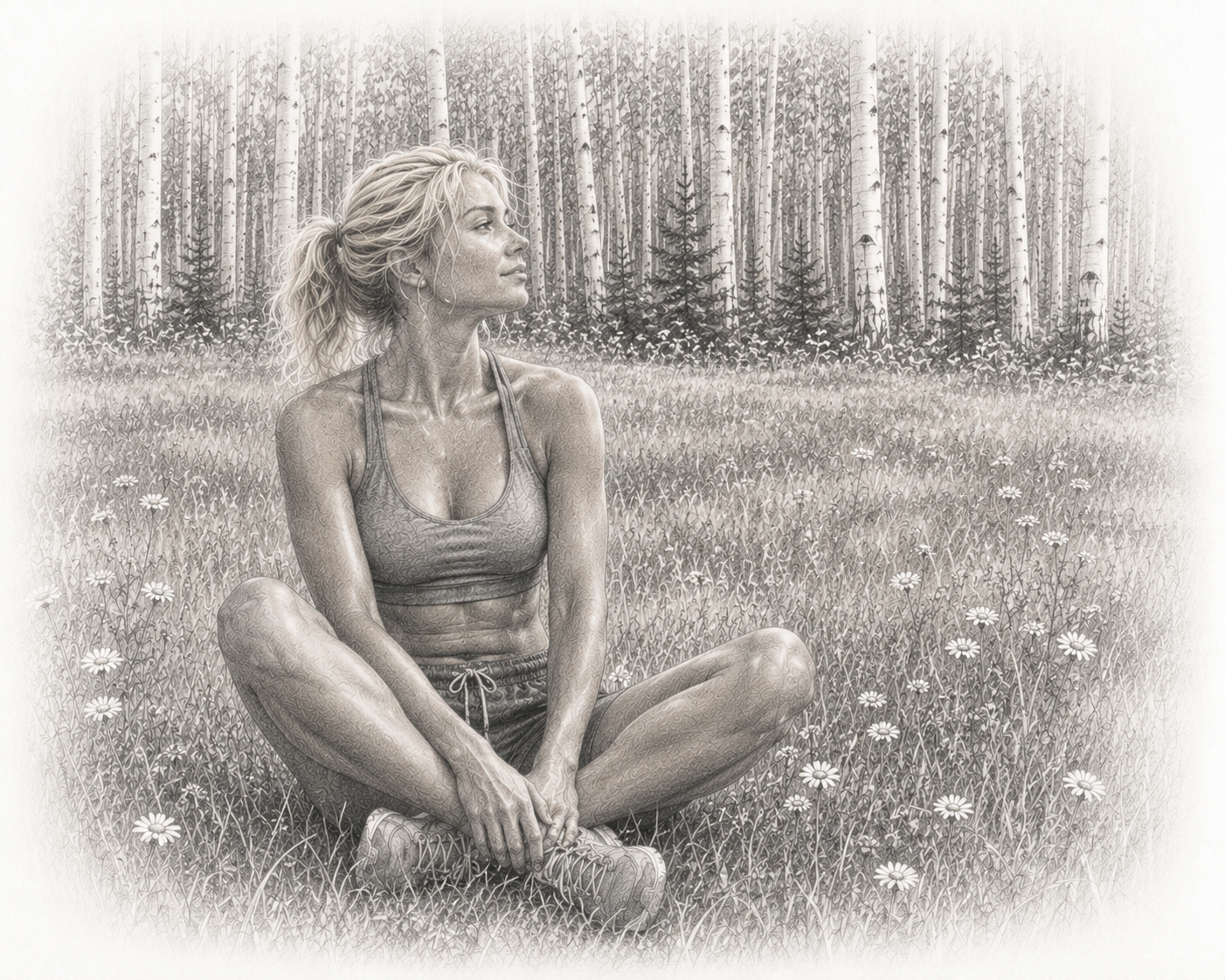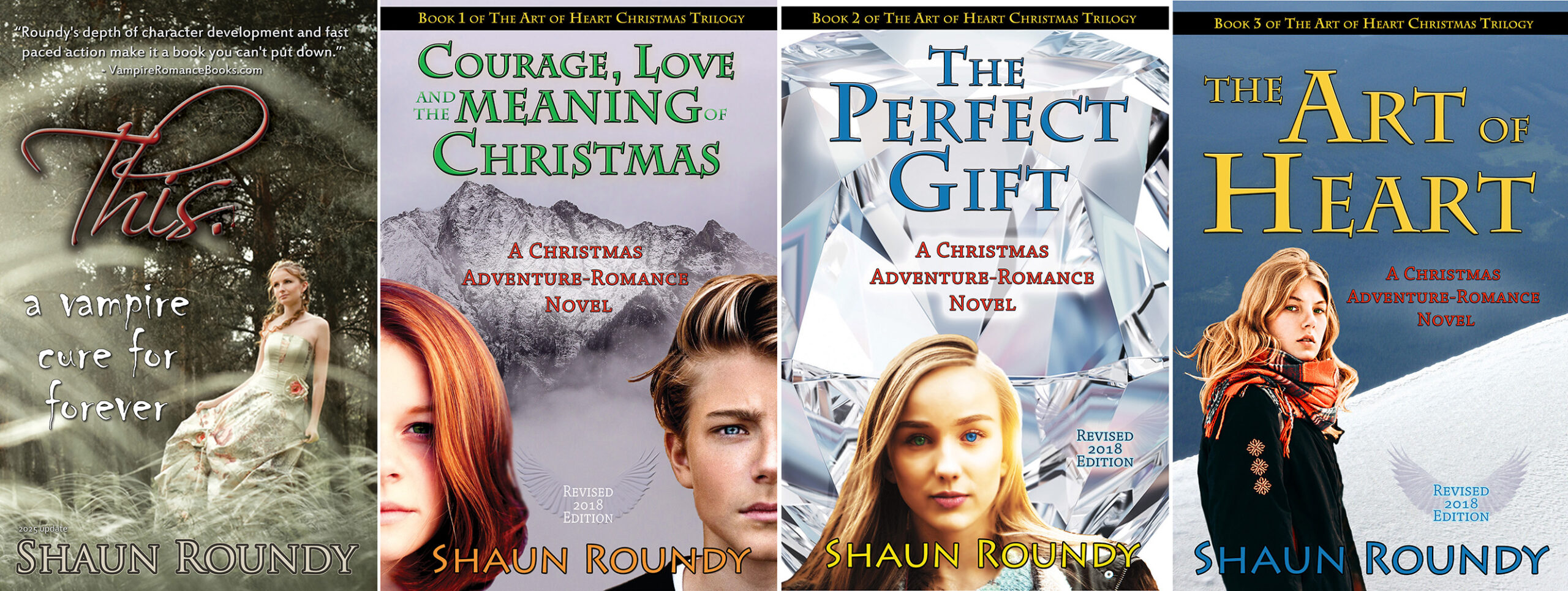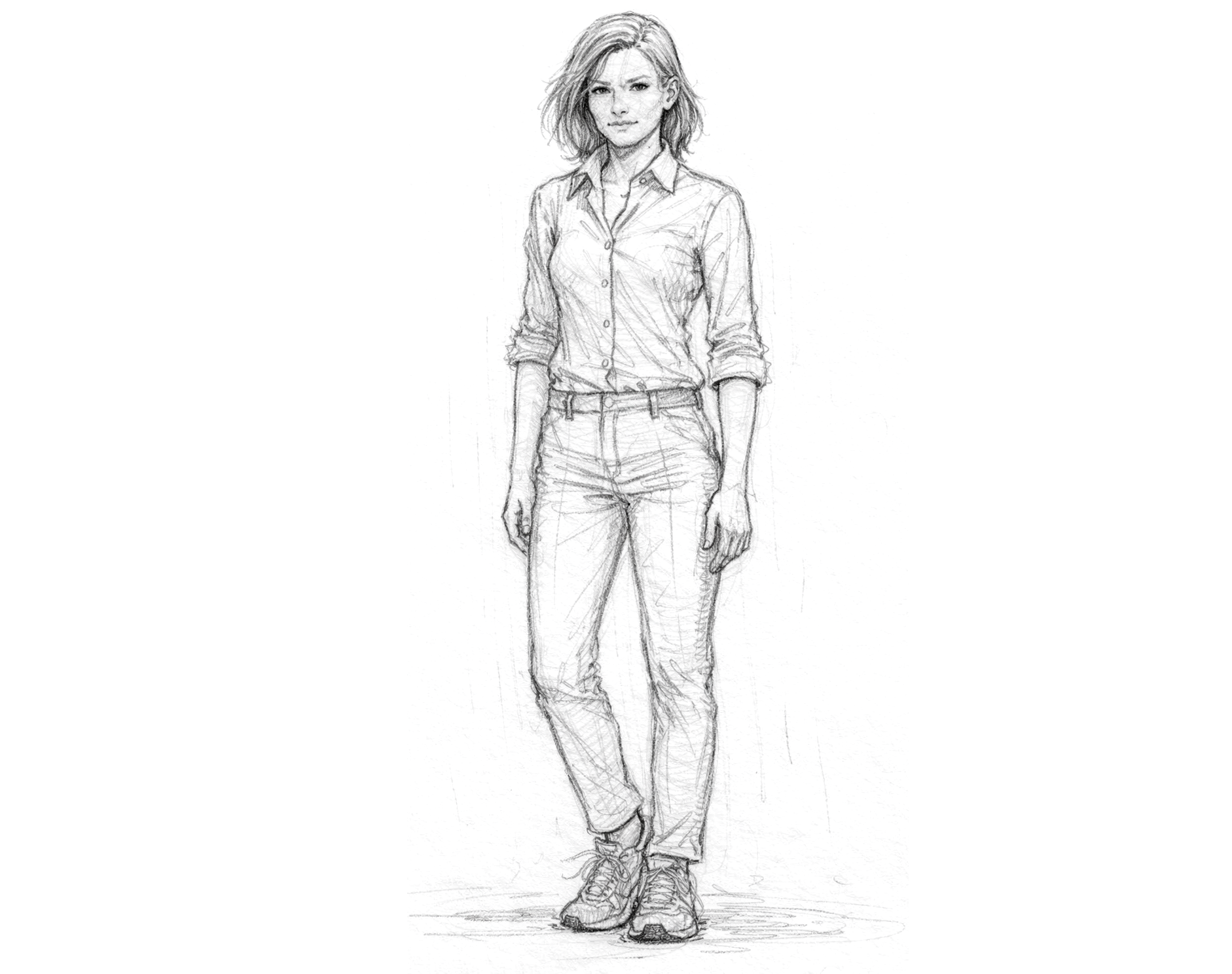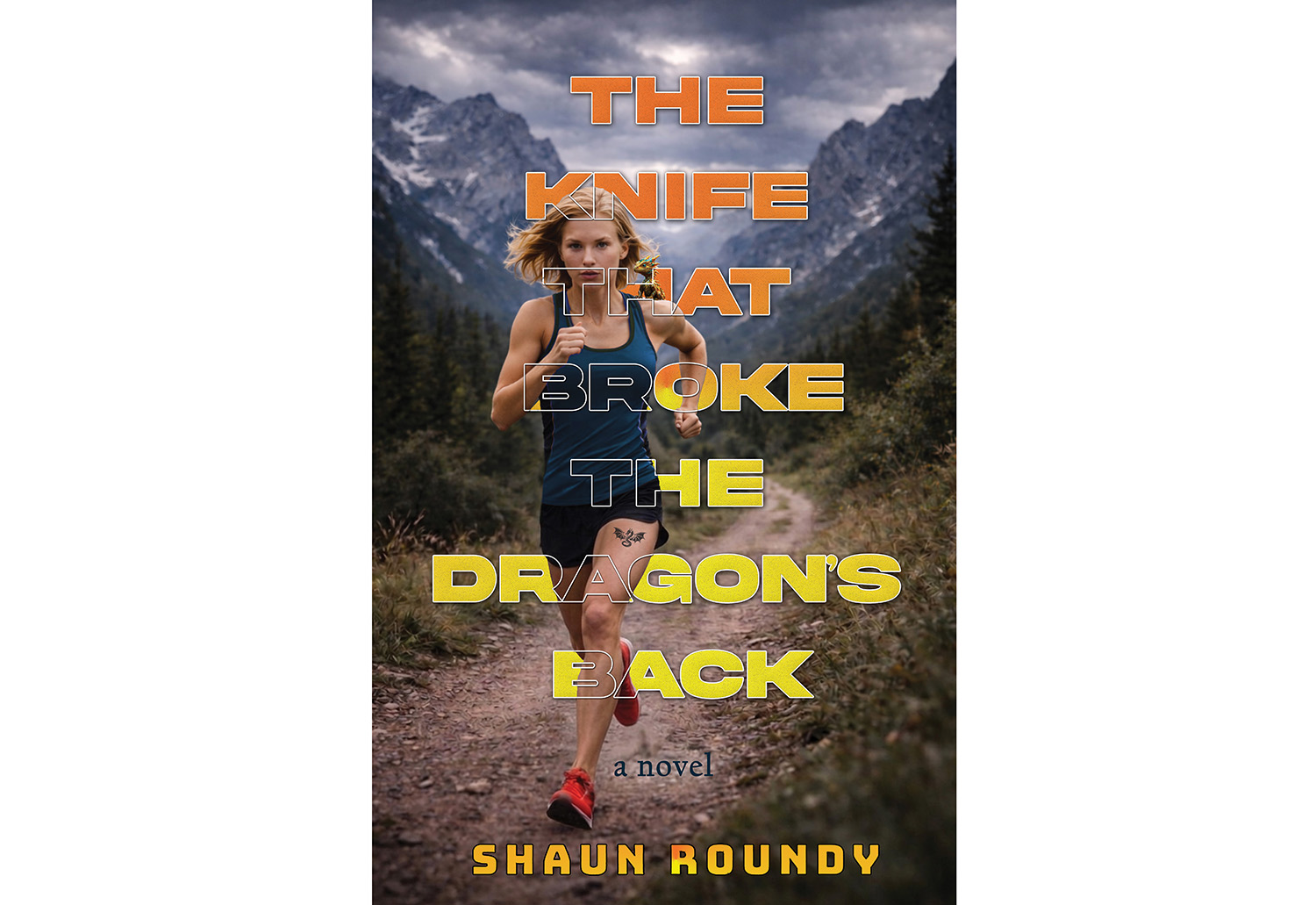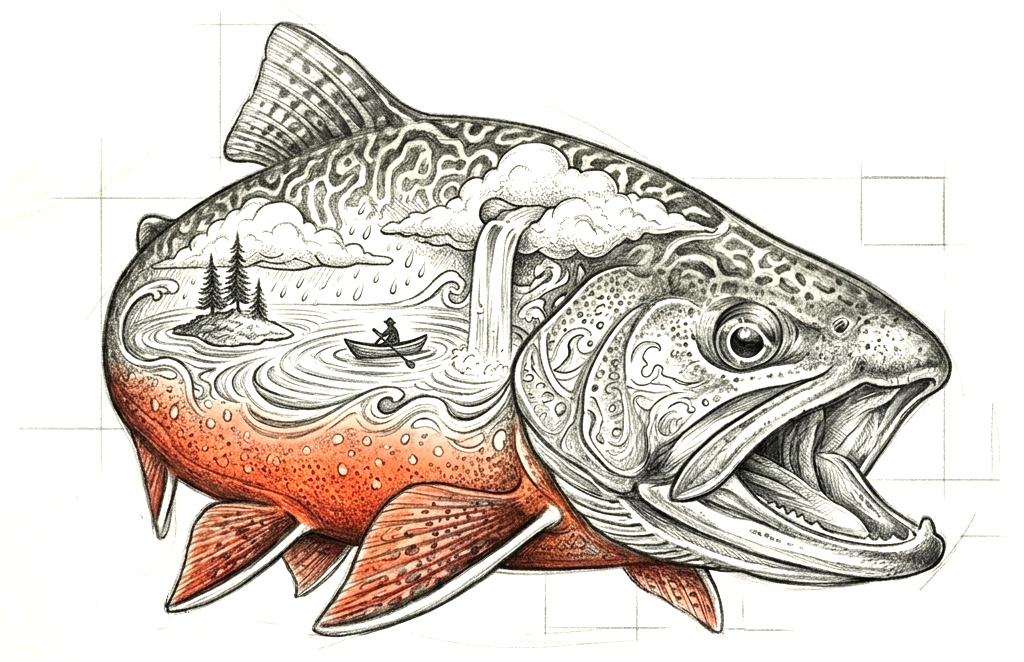
Inspiration for writing can come from many sources. In the case of The Knife that Broke the Camel’s Back, it came from a letter from an artist crush. This particular paragraph (the first one below) made Shaun think, “I’m going to write an entire book that sounds like that!”
Sometimes you know what God is going to say,
and then He whispers it like a breeze across the prairie,
and it grazes your ears,
and you have to strain to catch it.
Even after the words have passed,
I know better than to doubt
because the sweet scent like lilac blossoms
floats in the breeze now.
It burns in my heart
and transforms the world
before my eyes.
For context within the book (though this passage comes much later), Anika’s foster father was a preacher. Anika herself hasn’t decided what to believe about God’s existence, but she remains open to the possibility, and observes subtle evidences that might support such faith.
Here’s a section of chapter 9, during an early morning run where she raced the sunrise up a small hill and collapsed to the ground to catch her breath, which first introduces her foster father, Stephen. The plot reveals characters a layer at a time, first mentioning them in passing, then revealing more and more details until they grow deep and familiar.
…
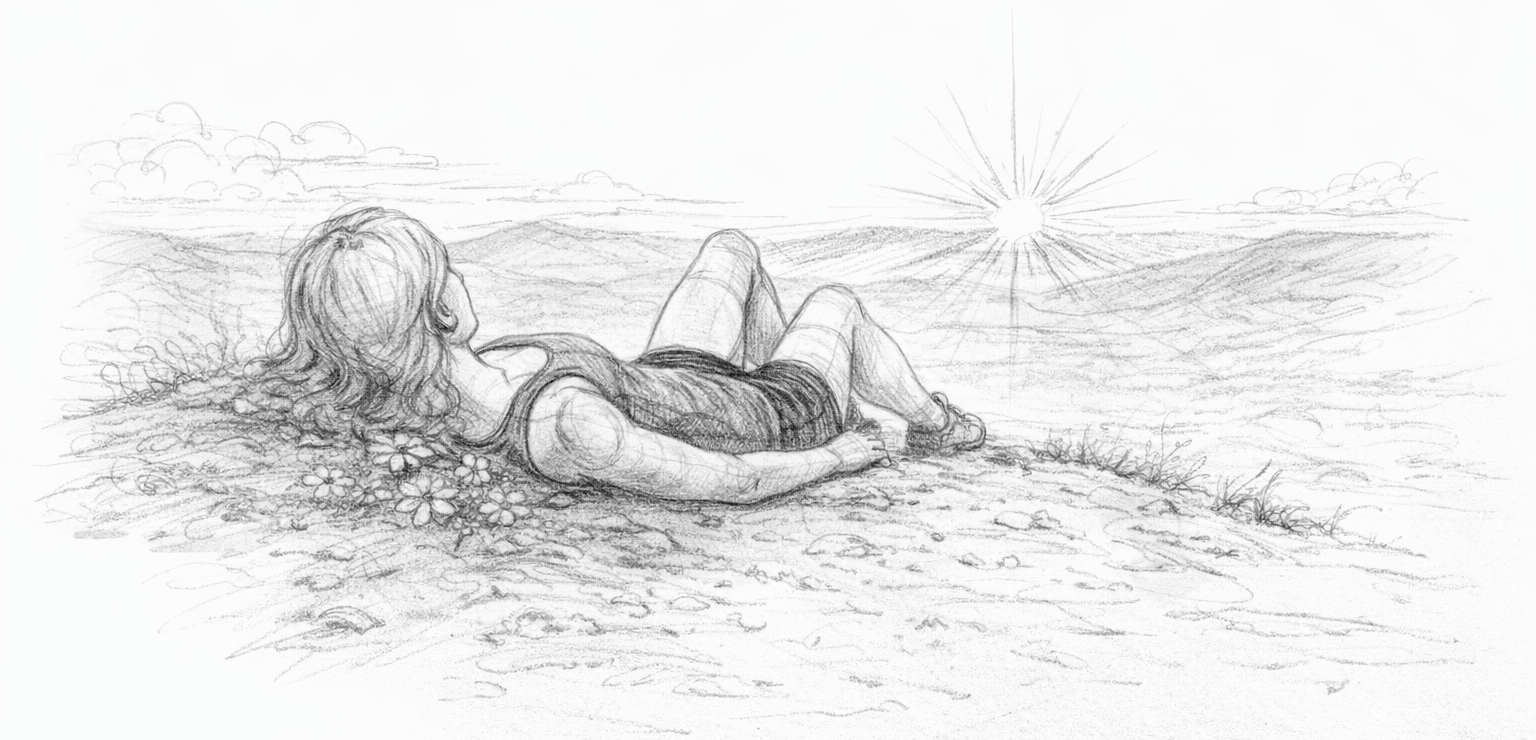
Gasping desperately for breath, she turned her face eastward just in time to see the first brilliant rays of sunlight crawl over the horizon and punch her in the face, piercing her wide-open eyes, and igniting a fire in her visual cortex in the back of her skull. She continued staring east for as long as she dared, then turned her head away and waited for her vision to clear away the bright spots burned temporarily into view.
Anika continued lying in the dirt, staring up at the sky, even after she caught her breath. She willfully kept her mind blank, feeling only the vitality from her race course through her limbs and torso, her heart and lungs.
“Good morning,” she said softly to the clear sky above. It gave no reply, but that’s what she expected. She had learned long ago that the sky was never very talkative; content, apparently, to paint its endlessly evolving impressionist canvas for all the world to see and enjoy.
“Good morning,” she said again. Her face still pointed upward, the back of her head resting on the hard, cold dirt; but this time she directed her words beyond the sky. “How’s it going today?”
After her mother died half way through Anika’s sixteenth year, after she made her first attempt to run away from home and make it to this cabin with naïve illusions of surviving here on her own forever, that’s when she first met God.
She didn’t exactly meet him, that is, but someone at least did his best to make an introduction.
After the ambulance carried her mother’s lifeless body away, and before the woman from social services arrived, Anika retrieved the wad of cash her mother had stashed in a cigar box atop the china cabinet, then without calculating any of the details, imagined she could make her way from Los Angeles to Montana, but only got as far as Las Vegas before someone at the bus station reported her to child protective services, who put her into foster care for the final year and a half of her childhood.
She lucked out there, with diligent foster parents who cared for her needs and who helped her sign up for high school track and apply for college, but she always felt like an outsider, a guest, and never bonded deeply enough to retain strong ties once she moved on.
Her foster dad, Steven, was a minister in a small church in Blythe, California, an agricultural town of 20,000 residents (though a quarter of those people were inmates in nearby prisons). The town stretched two miles across the Palo Verde Valley, with the Colorado River flowing past nearby, and the Arizona border on the far shore.
…